













How to Cold Brew Any Tea at Home
Cold brewing is the laziest good technique in tea. You put leaves in cold water, walk away, and come back hours later to a cup that is sweeter, softer, and lower in caffeine than anything you could make with a kettle. No temperature control, no timer anxiety, no bitterness to manage. The method works with every tea category — black, green, white, oolong, and herbals — and the same jar handles all of them.
The Science of Cold Extraction
Hot water extracts everything in the leaf quickly and indiscriminately: sugars, amino acids, tannins, caffeine, all at once. Cold water is selective. It dissolves the sweet and savory compounds — the amino acids and natural sugars — readily, while the tannins responsible for bitterness and astringency barely move at fridge temperature. Caffeine extraction slows to roughly a third of its hot-water rate.
The result is structural, not subtle: a cold brew of the same leaf tastes rounder, sweeter, and cleaner than its hot version, with no puckering finish. Time replaces heat as the engine of strength — what a kettle does in three minutes, the fridge does overnight.
How to Cold Brew Tea, Step by Step
Use 8 to 10 grams of loose leaf per litre of cold, preferably filtered, water — about four teaspoons for a standard jar. Drop the leaves straight into the water, lid the container, and put it in the fridge.
Steep 6 to 12 hours depending on the tea (specifics below). Then strain through a fine mesh or pour through a sieve into a second jar, and keep the finished brew refrigerated. Drink it within 48 hours — after that the aromatics fade noticeably.
A glass jar or pitcher with a lid is all the equipment required. No special cold-brew bottle needed, though the ones with built-in filters do make straining tidier.
Adjusting for Each Tea Type
Green tea — 6 to 8 hours. Sencha and gyokuro are the stars of cold brewing; shade-grown leaf in particular turns almost broth-sweet with zero bitterness. If you cold brew only one thing, make it a Japanese green from our green tea collection.
Black tea — 8 to 10 hours. Expect deep color and full flavor with a fraction of the astringency of the hot version. Malty teas like Assam make an excellent iced-tea base this way, no sweetener needed.
White tea and oolong — 10 to 12 hours. These aromatic styles give up their character slowly in cold water; the long steep rewards patience with unusual clarity of aroma.
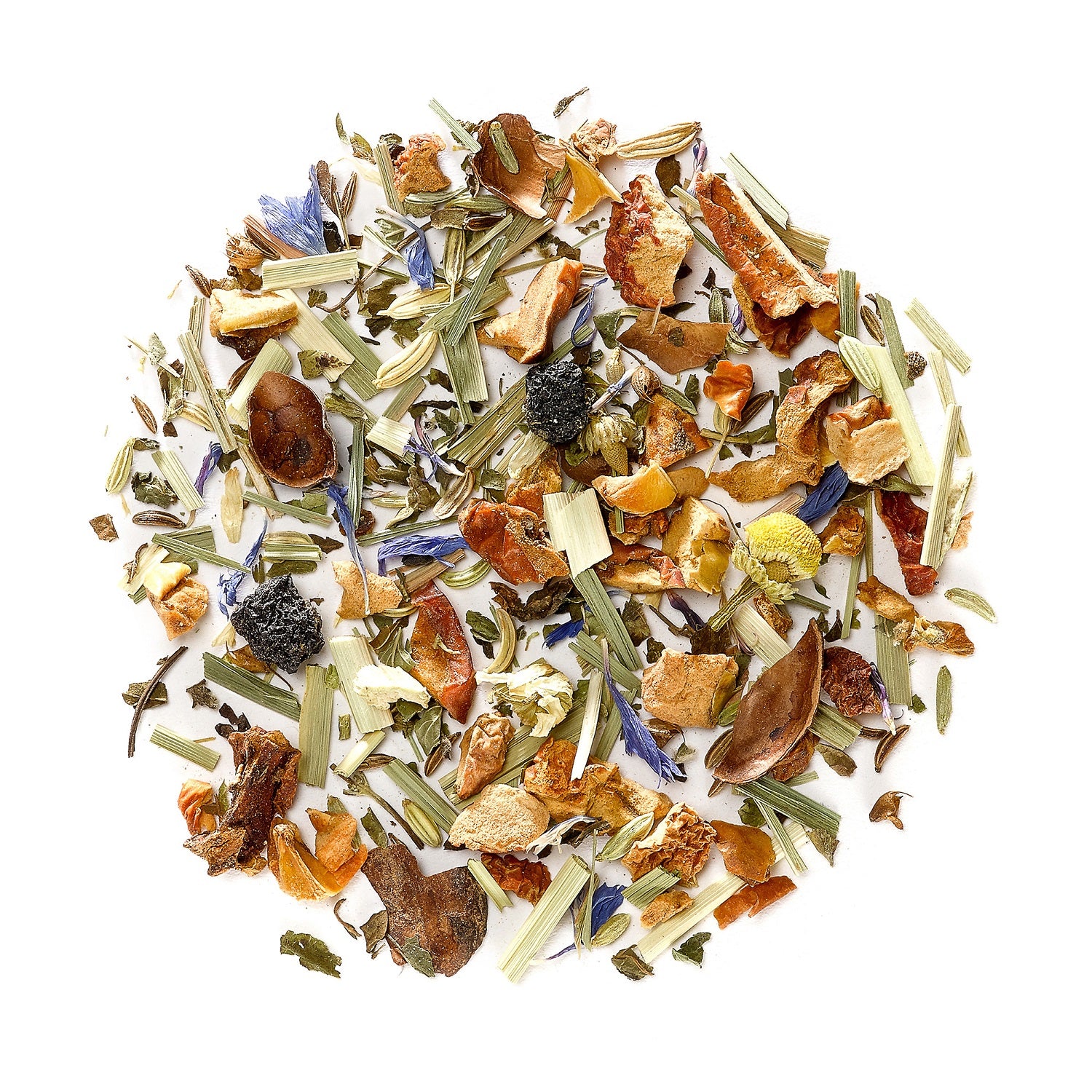
Herbals — 8 to 12 hours. Hibiscus turns a vivid ruby red and drinks like a tart cordial; chamomile and mint both brew clean and refreshing. Herbal cold brews are naturally caffeine-free.
Common Mistakes That Wreck the Cup
Starting with warm tap water. It feels like a head start, but it extracts tannins the slow method is designed to avoid. Cold water from the first minute.
Over-leafing. Past about 12 grams per litre, extra leaf stops adding sweetness and starts adding vegetal heaviness. If you want it stronger, steep longer instead.
Leaving the leaves in. Past 24 hours the brew goes muddy and dull. Strain when the steep is done, even if you will not drink it immediately.
Storage, Service, and Flavor Boosts
Finished cold brew keeps best in a sealed glass jar in the fridge, away from strong-smelling food. Serve it straight, or over ice on hot days.
If you want to dress it up, a strip of citrus peel, a few fresh mint leaves, or a slice of ginger added to the jar for the last hour lends a quiet lift without masking the tea. Good loose leaf rarely needs sweetening cold — the method itself brings out the leaf's own sugars.
Frequently Asked Questions
Do I need special equipment? No. Any lidded jar or pitcher works. Strain through a kitchen sieve.
Is cold brew caffeine-free? No — lower, not zero. True teas still contribute caffeine, roughly a third to half of the hot-brew level for the same leaf and time. For a caffeine-free jar, cold brew an herbal.
Can I reuse the leaves? Once, for a shorter second steep of a few hours. The second jar is lighter but still pleasant, especially with oolongs.
One Jar, Every Tea
The method never changes: 8 to 10 grams per litre, cold water, fridge, strain. Only the hours differ by category. The most instructive experiment in tea costs nothing — split one leaf into a hot cup and a cold jar, taste them side by side, and you will understand extraction better than any article can teach you.
Leave a comment
Comments will be approved before showing up.
Also in Valley of Tea Blog | Tea Guides, Origins & Brewing Tips
The Complete Guide to Drinking Tea
What tea is, how the main types differ in the cup, and how to brew each one properly. Water temperature, steeping times, storage and how to get more than one cup from your leaves.
Read More
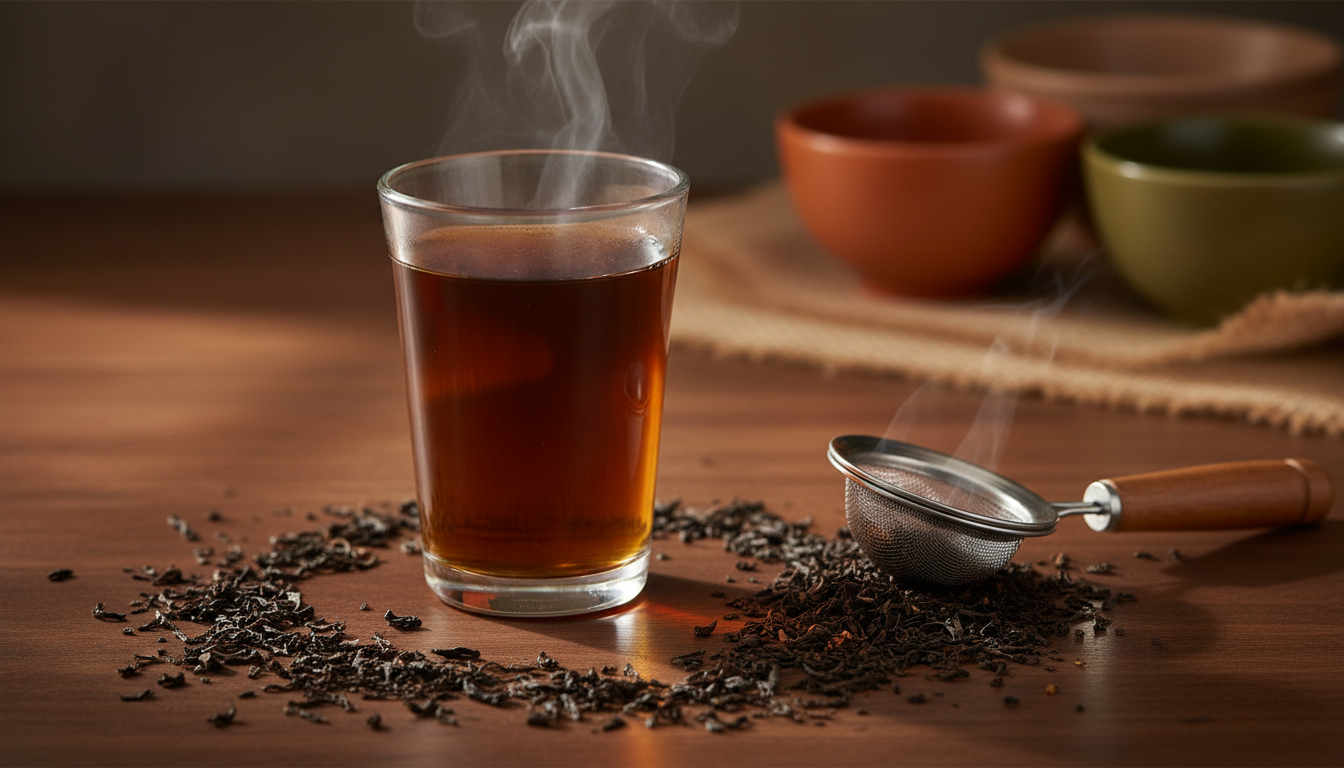

Black Tea: Types, Processing, and How to Brew It
Black tea is fully oxidized Camellia sinensis. Compare Assam, Darjeeling, Keemun, and Ceylon varieties. Learn processing, brewing, and caffeine levels.
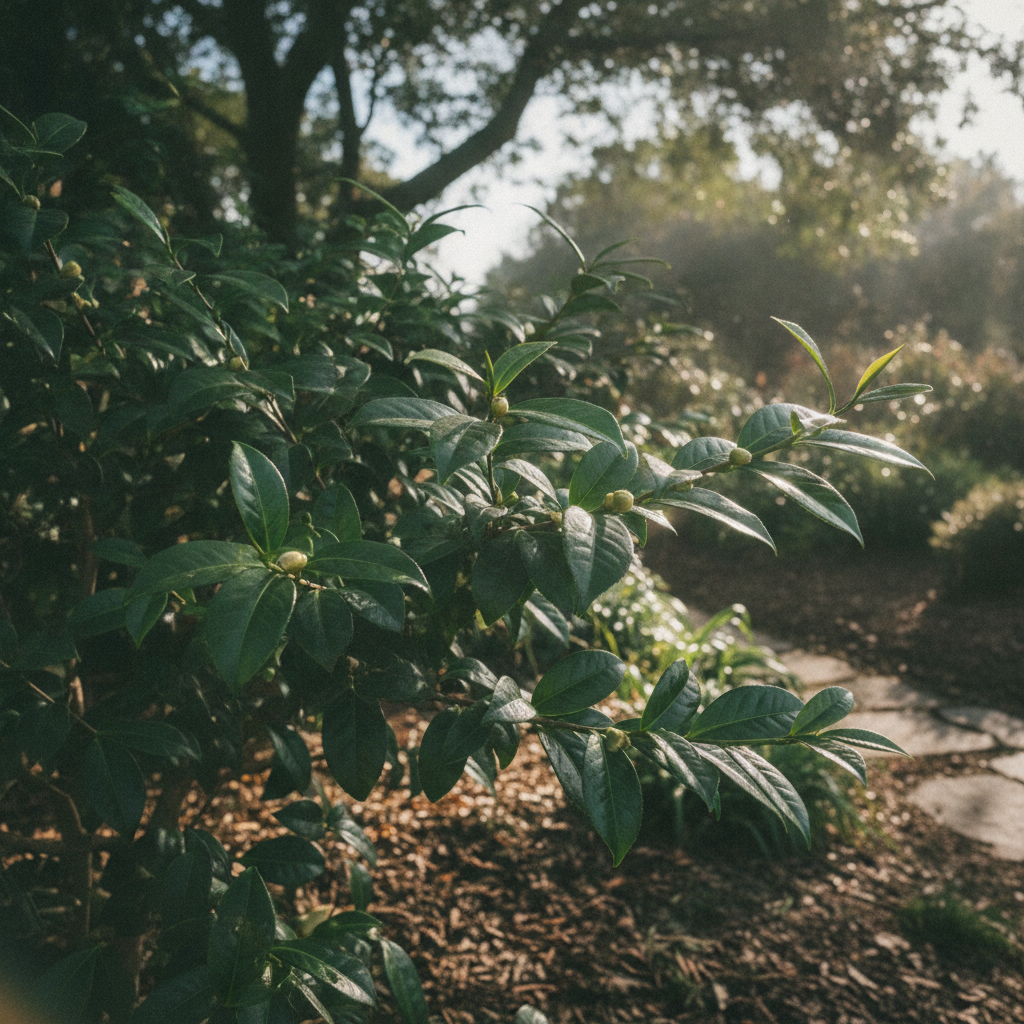

How To Grow Black Tea
Learn how to grow black tea at home: soil, climate, and the five processing steps from fresh leaf to a finished cup of black tea.

Wisdom is the path to better tea.
Get our free brewing guide: the right water, heat and timing for every tea we sell. You will also hear it first when new harvests arrive.
No spam. Unsubscribe any time.
Check your inbox.
The guide is on its way.