












Chamomile Tea: Origin, Flavor, and How to Brew It
Chamomile is one of the most widely consumed herbal teas in the world. It has been used for thousands of years across Europe, the Middle East, and North Africa. The dried flowers produce a golden, apple-scented infusion that is mild, slightly sweet, and unmistakable.
But not all chamomile is the same. Origin, variety, and quality vary enormously, and these differences show up clearly in the cup.
German vs Roman Chamomile
There are two main species sold as chamomile tea, and they are quite different.
German chamomile (Matricaria chamomilla): This is the species used in virtually all chamomile tea. It has small, daisy-like flowers with white petals and a hollow, cone-shaped yellow center. The flavor is apple-like, honey-sweet, and gently floral. German chamomile grows as an annual plant and is cultivated commercially in Egypt, Croatia, Germany, and parts of Eastern Europe.
Roman chamomile (Chamaemelum nobile): A perennial ground cover with a more bitter, stronger flavor. It is used primarily in essential oils and herbal medicine, not typically in tea. If your chamomile tea tastes bitter, it may contain Roman chamomile or be of poor quality.
When you buy chamomile tea, you almost always want German chamomile. Our chamomile is the German variety, sourced for whole flower heads rather than fragments.
What Makes Good Chamomile
The difference between cheap chamomile and good chamomile is striking. Low-quality chamomile is often made from flower fragments, stems, and dust — the leftover material after whole flowers have been sorted out. It brews into a thin, flat cup with little aroma.
High-quality chamomile consists of intact, whole flower heads. When you brew them, the flowers rehydrate and open, releasing a rich, apple-and-honey aroma. The flavor is rounder, sweeter, and more complex.
Egyptian chamomile is generally considered the benchmark for quality, though Croatian and German-grown chamomile can be excellent too. The key indicator is always the flower heads themselves — whole, intact, and fragrant.
How to Brew Chamomile Tea
Chamomile needs hotter water and longer steep times than most people give it. The flavor compounds in the flower heads take time and heat to release fully.
Use water at a full 100°C. Steep for 5-7 minutes — longer than you would steep most true teas. Use about 3-4 grams (roughly a tablespoon of whole flowers) per 200ml of water.
Unlike green or white tea, chamomile does not turn bitter with longer steeping. If anything, a longer steep produces a richer, more aromatic cup. You can safely steep for 10 minutes if you want a stronger infusion.
Cover your cup or teapot while steeping. The volatile essential oils in chamomile evaporate easily with steam, and a lid keeps them in the brew rather than in the air above it.
Chamomile Blends
Chamomile blends well with other herbs. Common pairings include lavender (for a more floral cup), peppermint (for freshness), honey and lemon (classic), and ginger (for warmth). It also works well as a base in evening blends alongside lavender or passionflower.
On its own, chamomile is mild. In blends, it provides a sweet, rounded base that lets other herbs stand out without clashing.
Caffeine and Evening Drinking
Chamomile contains zero caffeine. It is one of the most commonly chosen teas for evening drinking, and for good reason — the absence of caffeine combined with the mild, soothing flavor makes it a natural fit for winding down.
If you are looking for a natural evening tea, chamomile is the obvious starting point. From there, you can explore other caffeine-free options like valerian, passionflower, or lemon balm, but chamomile remains the most approachable and universally liked.
Leave a comment
Comments will be approved before showing up.
Also in Valley of Tea Blog | Tea Guides, Origins & Brewing Tips
The Complete Guide to Drinking Tea
What tea is, how the main types differ in the cup, and how to brew each one properly. Water temperature, steeping times, storage and how to get more than one cup from your leaves.
Read More
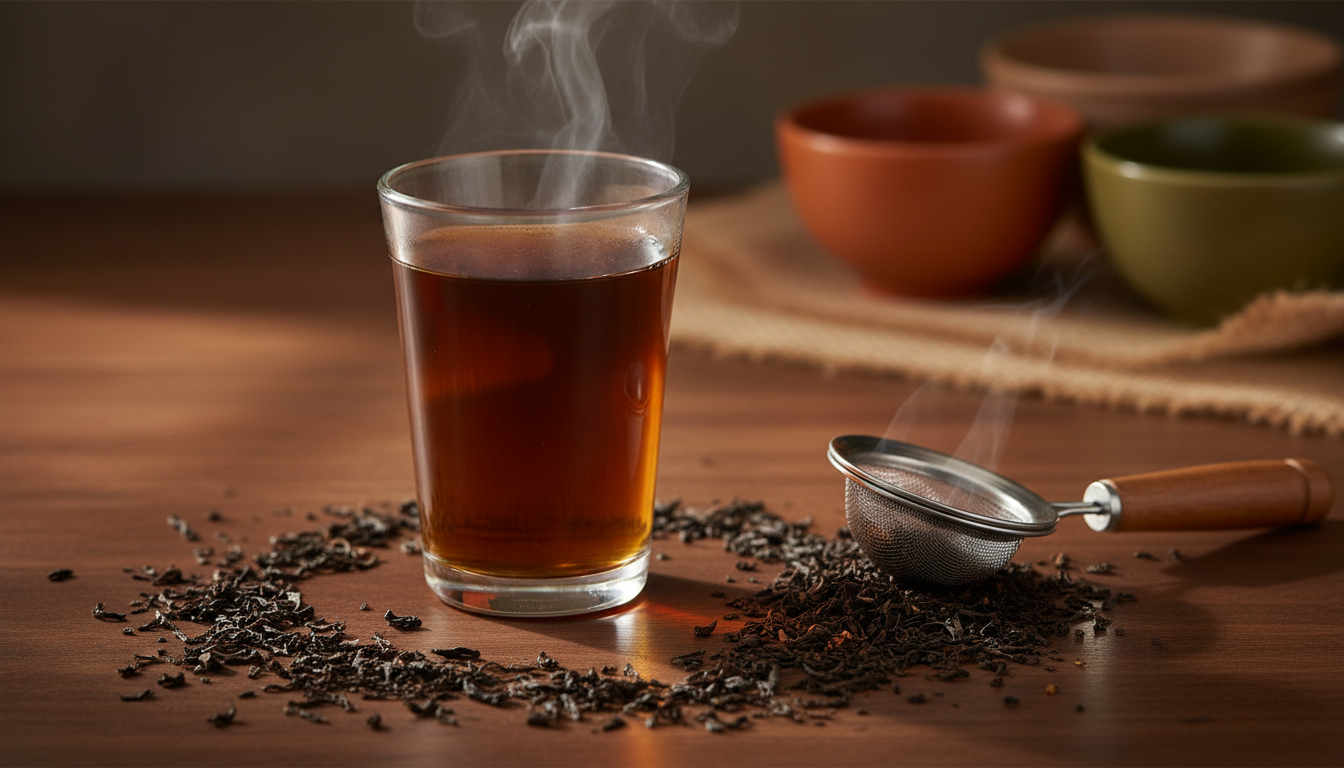

Black Tea: Types, Processing, and How to Brew It
Black tea is fully oxidized Camellia sinensis. Compare Assam, Darjeeling, Keemun, and Ceylon varieties. Learn processing, brewing, and caffeine levels.
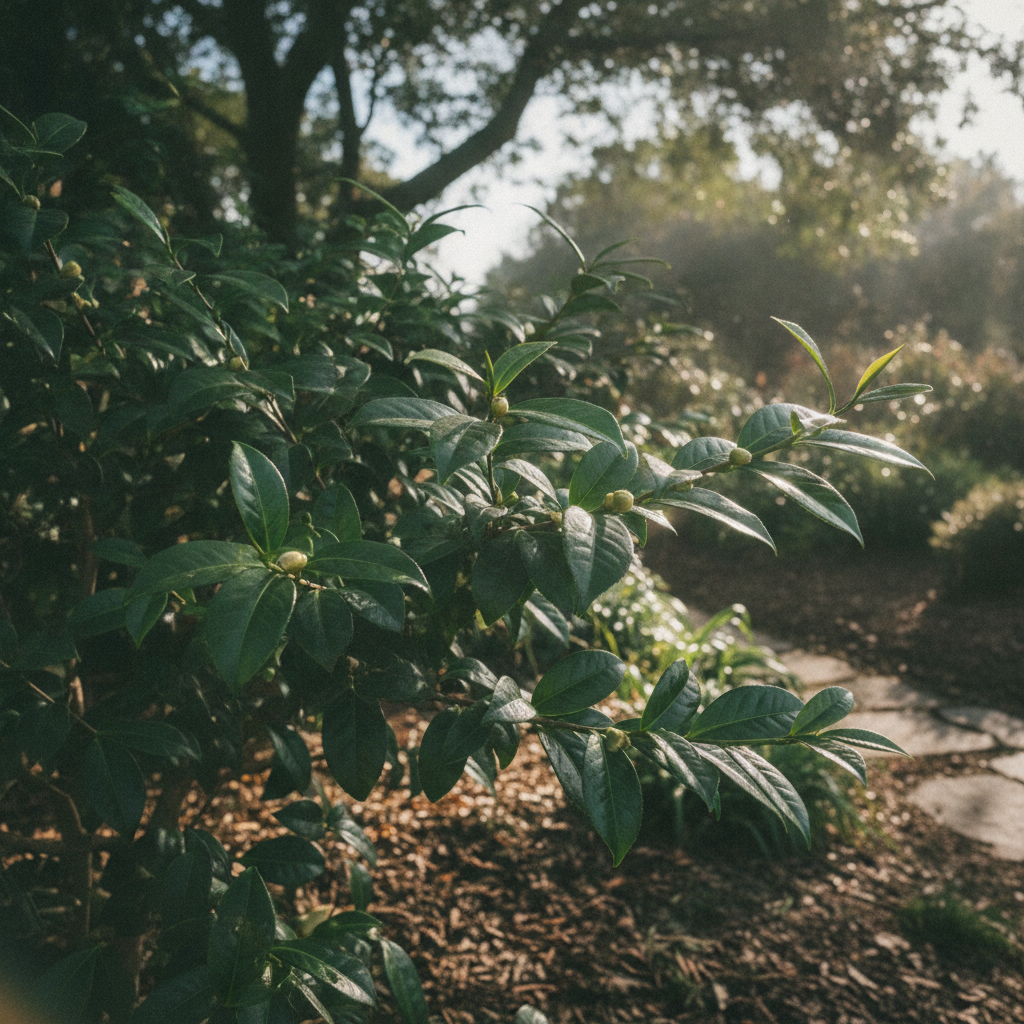

How To Grow Black Tea
Learn how to grow black tea at home: soil, climate, and the five processing steps from fresh leaf to a finished cup of black tea.

Wisdom is the path to better tea.
Get our free brewing guide: the right water, heat and timing for every tea we sell. You will also hear it first when new harvests arrive.
No spam. Unsubscribe any time.
Check your inbox.
The guide is on its way.