













Peppermint Tea: A Fresh, Versatile Herbal Classic
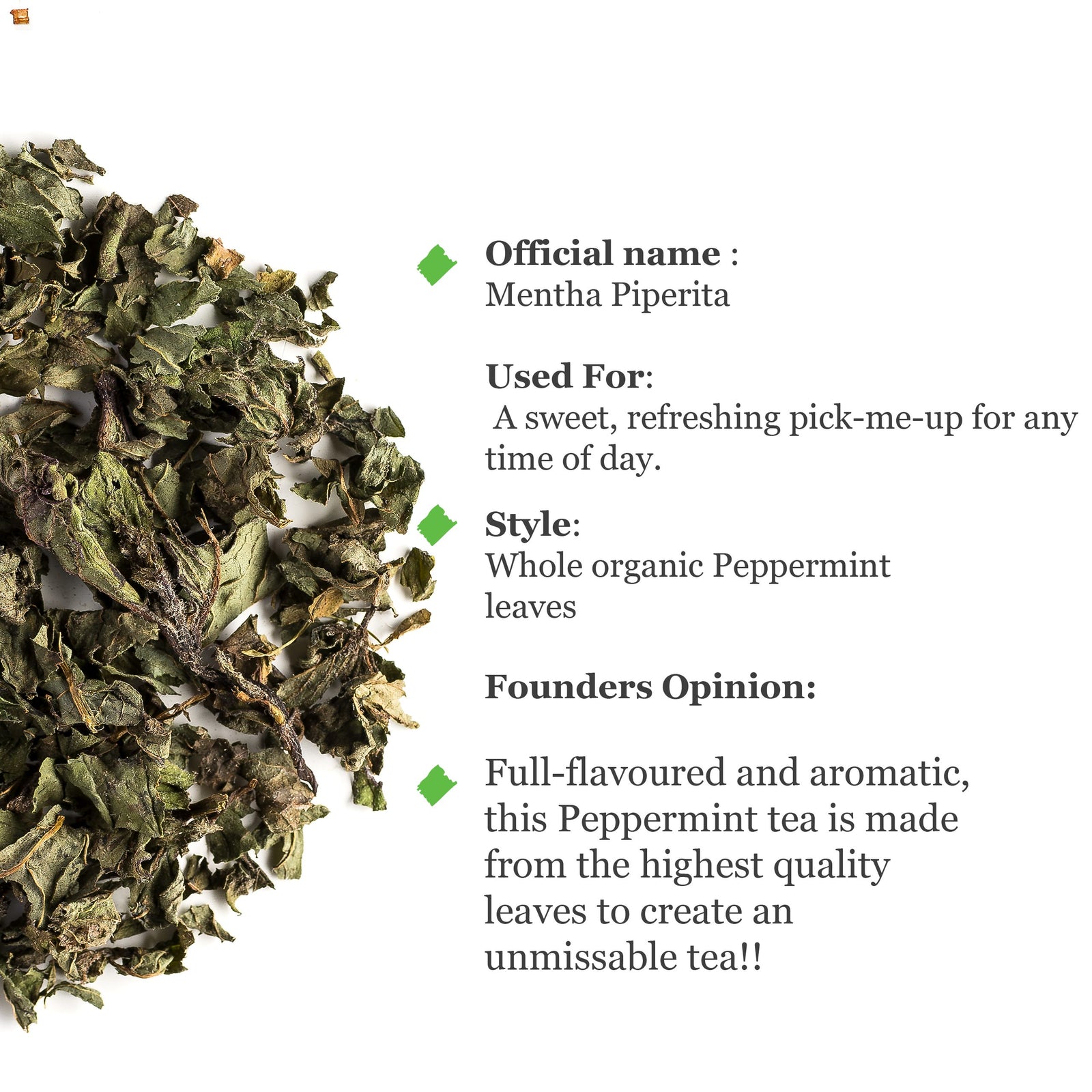
Peppermint tea is made from the dried leaves of Mentha x piperita, a natural hybrid of watermint and spearmint. It is one of the most consumed herbal teas globally, valued for its sharp, cooling menthol flavor and its versatility as both a standalone drink and a blending ingredient.
Unlike many herbal teas that need careful sourcing to taste good, even average peppermint delivers a recognizable, refreshing cup. But the difference between commodity peppermint and well-grown, properly dried peppermint leaf is worth paying attention to.
Peppermint vs Spearmint
Both belong to the mint family, but they taste quite different.
Peppermint contains 35-45% menthol, which gives it the strong cooling sensation and sharp, clean flavor people associate with mint. It is more intense and more medicinal in character.
Spearmint contains almost no menthol. Its primary flavor compound is carvone, which produces a sweeter, milder, more herbal taste. Spearmint is the mint used in most cooking (think mint sauce, mojitos, tabbouleh).
For tea, both work, but they produce different cups. Peppermint is bold and cooling. Spearmint is gentler and sweeter. If you find peppermint too intense, spearmint is the softer alternative.
What Makes Good Peppermint Leaf
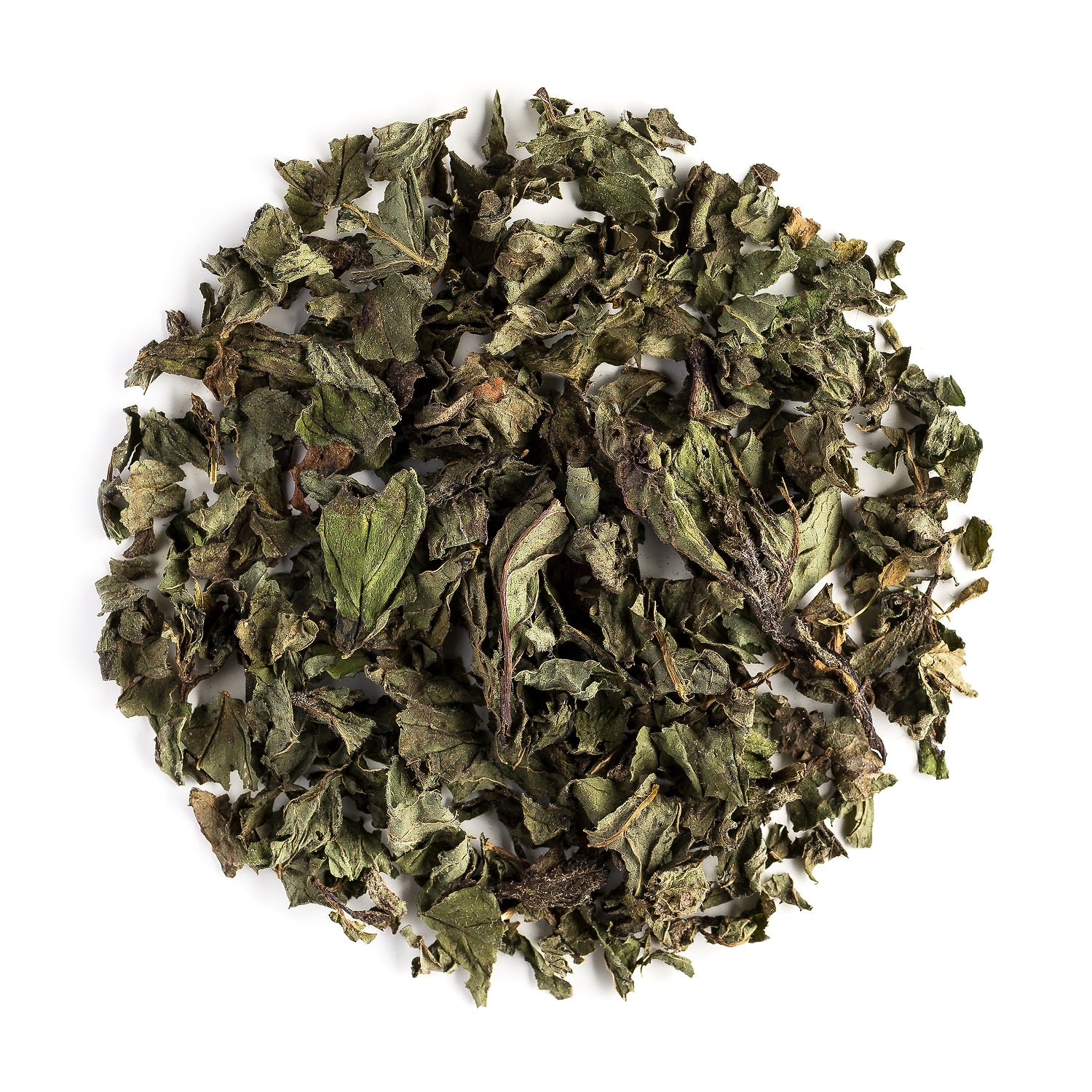
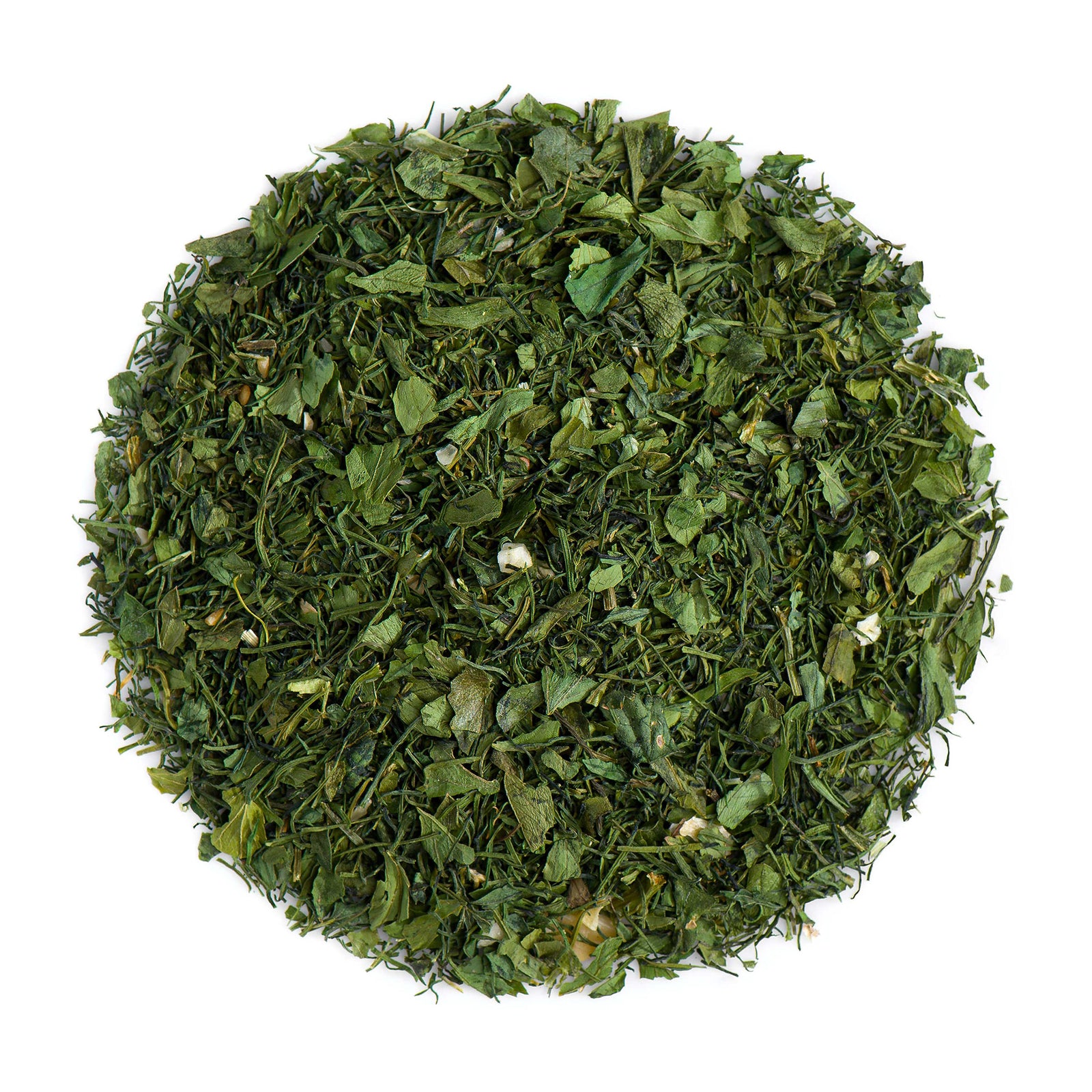
Quality peppermint leaf is a deep green color, not brown or gray. It should smell strongly of menthol when you open the bag — if the aroma is faint, the tea is either old or poorly dried.
The best peppermint for tea comes from whole or large-cut leaves, not the powder or fragments often found in tea bags. Whole leaves retain more essential oils and produce a cleaner, more aromatic brew. Origin matters too — European-grown peppermint (Germany, France, Bulgaria) tends to have higher menthol content than tropical-grown varieties.
How to Brew Peppermint Tea
Use water at 100°C — full boil. Peppermint leaves are sturdy and need hot water to release their essential oils fully.
Steep for 5-7 minutes. Use 2-3 grams of dried leaf (about a tablespoon) per 200ml. Like chamomile, peppermint does not turn bitter with longer steeping, so you can push to 10 minutes for a stronger cup.
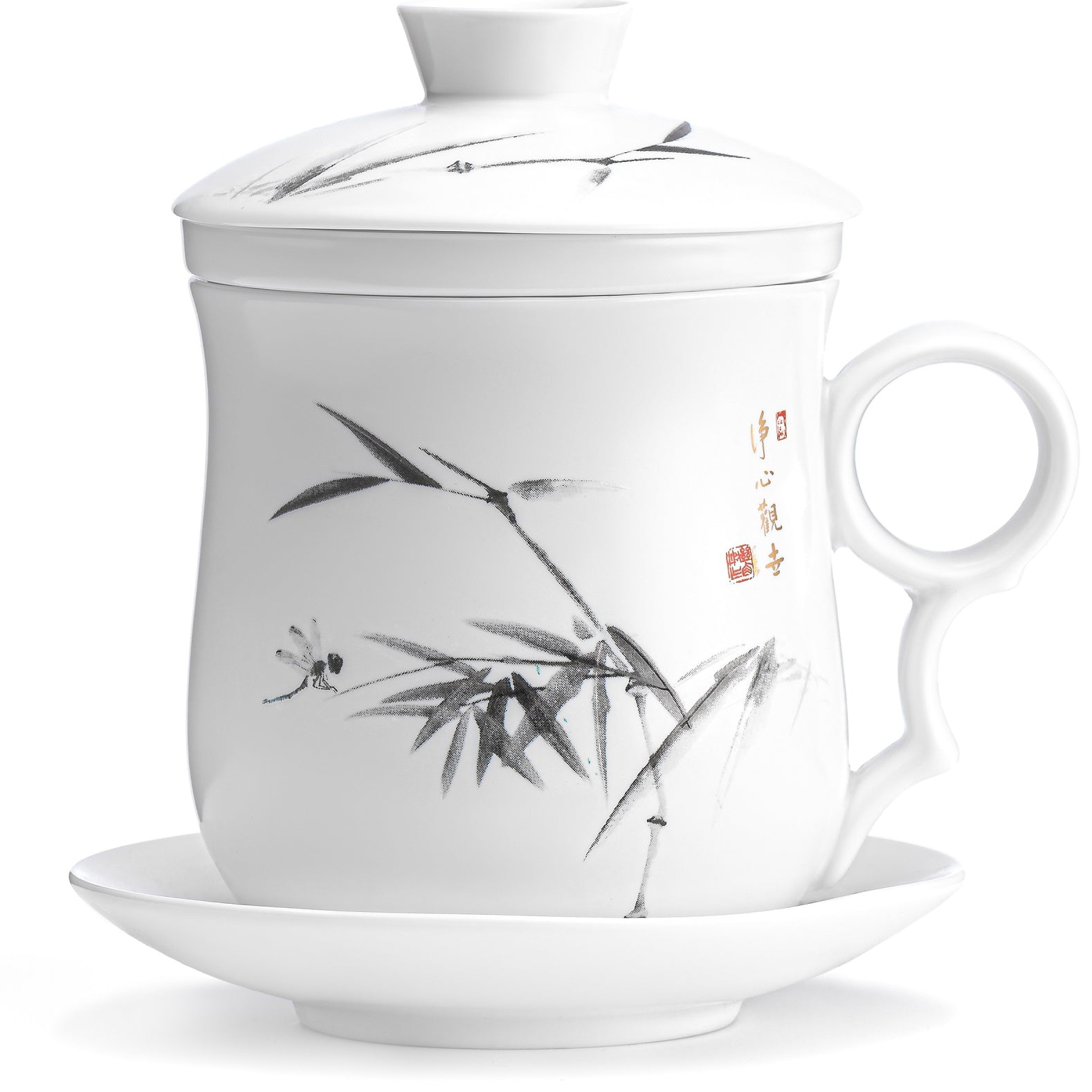
Cover while steeping. The menthol and other volatile compounds evaporate with steam. A covered cup or glass teapot with a lid traps these compounds in the liquor where you want them.
Peppermint also cold-brews well. Use 5-6 grams per liter, refrigerate for 8-12 hours, and you get a crisp, intensely refreshing cold peppermint tea — a strong alternative to sweetened iced drinks in summer.
Blending with Peppermint
Peppermint is one of the most useful blending herbs. It pairs naturally with green tea (the classic Moroccan mint tea combination), chamomile (calming with a menthol lift), ginger (warming and cooling simultaneously), and lemon (bright and clean).
In Moroccan tradition, gunpowder green tea is brewed strong with fresh peppermint and sugar. Our dried peppermint works well in a similar preparation — brew the green tea and peppermint together for a North African-style mint tea without the sugar.
Caffeine Content
Peppermint tea is naturally caffeine-free, making it suitable for any time of day. It is one of the few herbal teas that tastes as good after dinner as it does in the morning, because the menthol provides a sense of alertness without any stimulant effect.
For a mint-flavored tea with caffeine, blending peppermint with green or black tea gives you both the menthol freshness and the caffeine you want.
Leave a comment
Comments will be approved before showing up.
Also in Valley of Tea Blog | Tea Guides, Origins & Brewing Tips
The Complete Guide to Drinking Tea
What tea is, how the main types differ in the cup, and how to brew each one properly. Water temperature, steeping times, storage and how to get more than one cup from your leaves.
Read More

Black Tea: Types, Processing, and How to Brew It
Black tea is fully oxidized Camellia sinensis. Compare Assam, Darjeeling, Keemun, and Ceylon varieties. Learn processing, brewing, and caffeine levels.
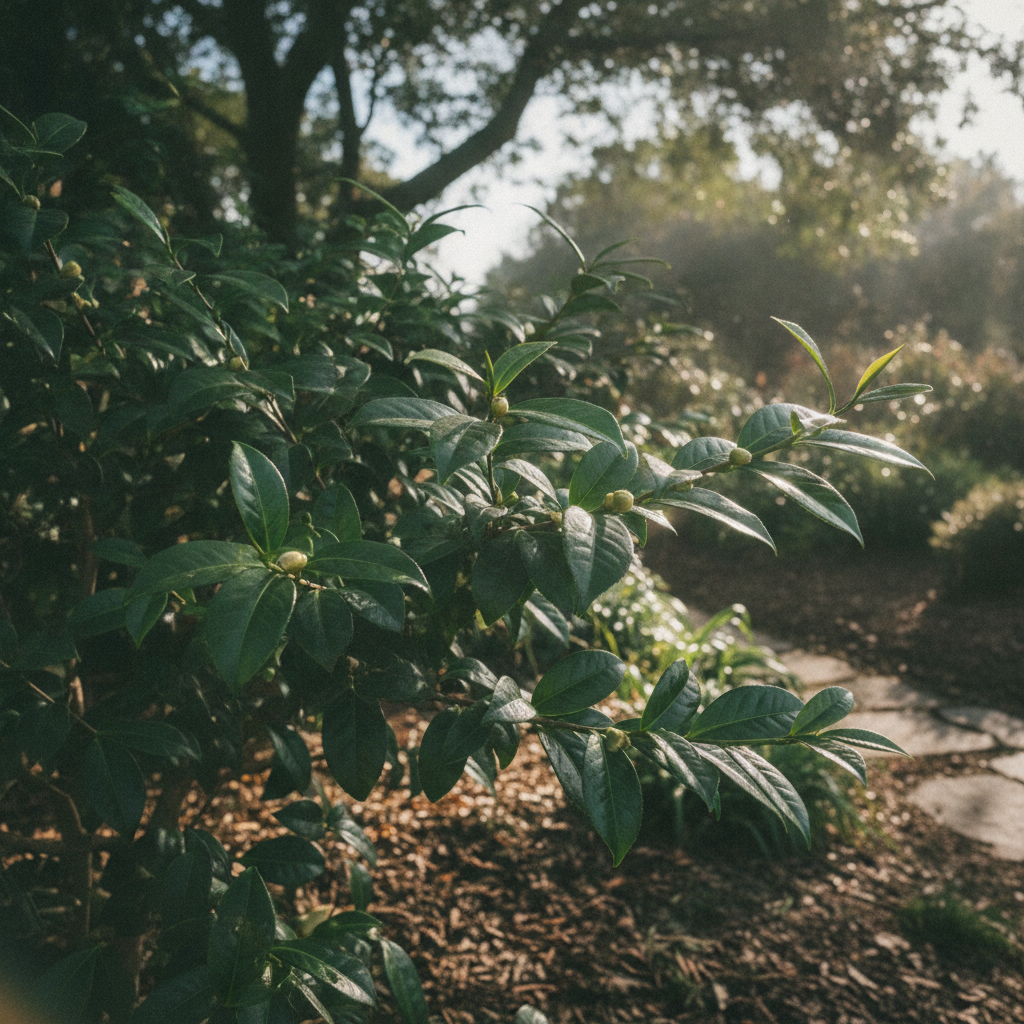

How To Grow Black Tea
Learn how to grow black tea at home: soil, climate, and the five processing steps from fresh leaf to a finished cup of black tea.

Wisdom is the path to better tea.
Get our free brewing guide: the right water, heat and timing for every tea we sell. You will also hear it first when new harvests arrive.
No spam. Unsubscribe any time.
Check your inbox.
The guide is on its way.