












Lemon Balm Tea: Flavor, Origin, and How to Brew It
Lemon balm is a lemon-scented member of the mint family and a long-standing herbal tea in European kitchens. Most of what is written about herbal teas focuses on supposed effects. This post sticks to the leaf: what it contains, how a brewed cup compares to the concentrated extracts sold as supplements, and how to brew it well.
Knowing the difference makes it clear what a cup of lemon balm tea is: a herbal infusion you drink for its flavour, not a supplement.
What Is in a Lemon Balm Leaf
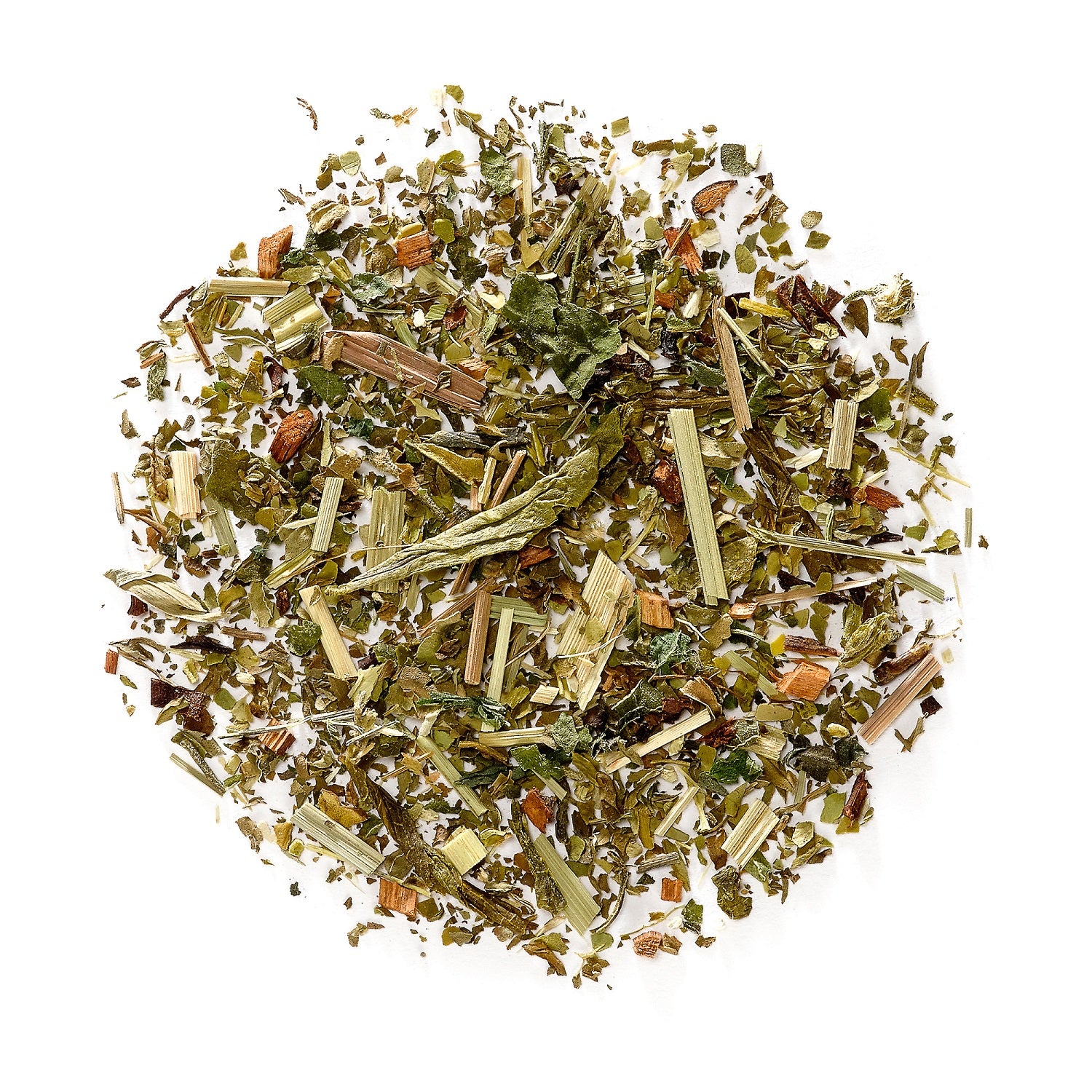
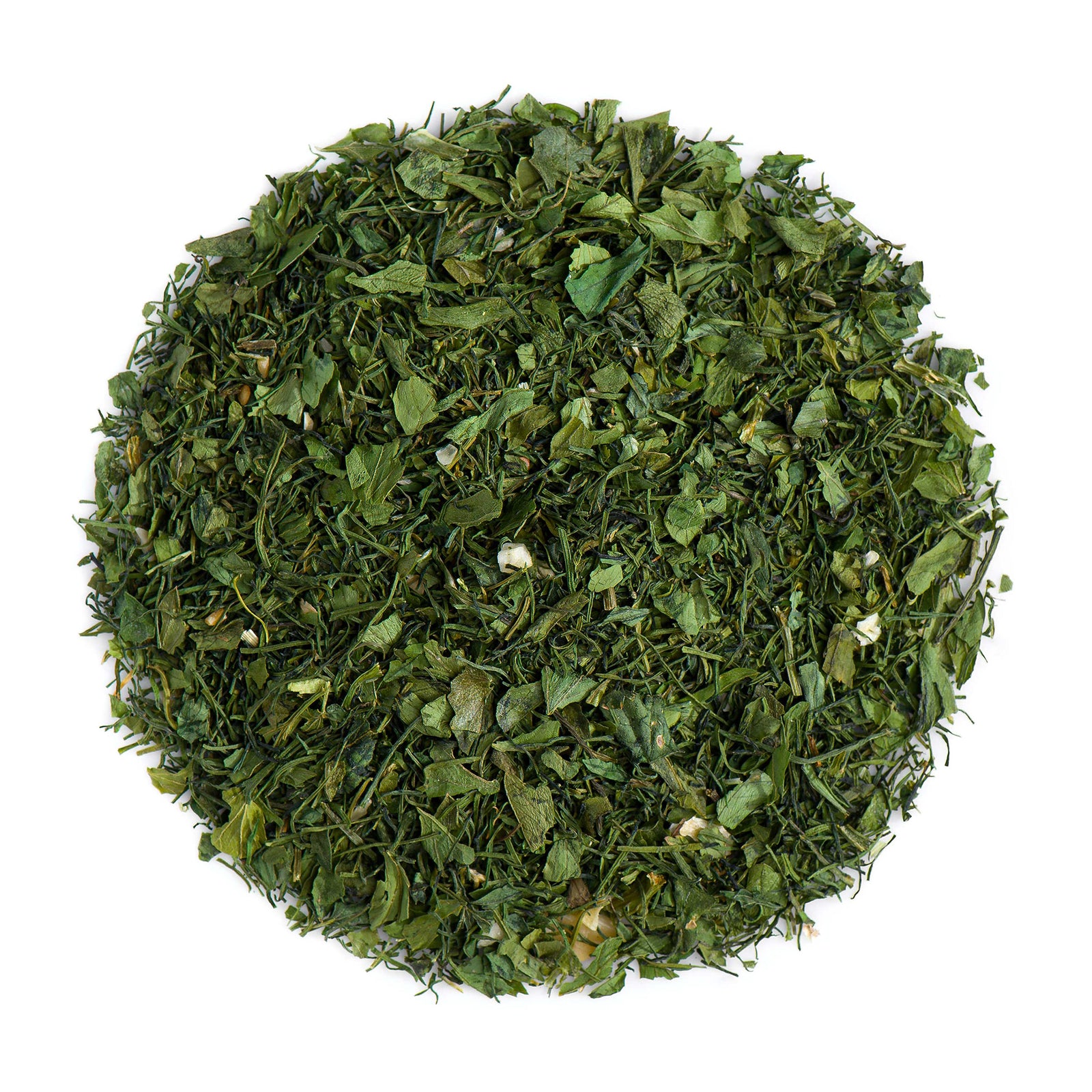
One of the main compounds in lemon balm leaf is rosmarinic acid, a polyphenol also found in rosemary and sage. The leaf also carries volatile oils, mainly citral and citronellal, which give it its lemon aroma. Those oils are delicate and evaporate easily, which is why storage and brewing method matter for flavour.
Lemon balm is also sold as a concentrated extract, and that is a very different product from the dried leaf. Standardised Melissa officinalis extracts are made by concentrating the leaf's compounds well beyond what a cup of tea contains, and they are sold in capsules of several hundred milligrams. We sell the leaf, not the extract, and this post treats the two as separate products.
A capsule can hold 600mg of concentrated extract. A standard cup of lemon balm tea is brewed with about 2 teaspoons of dried leaf in 250ml of water. One is a concentrated supplement, the other is a drink, and the two should not be confused.
I find it most useful to think of lemon balm tea as a drink first, not a lighter version of a supplement. The plant is the same; the product is not. What you are after in the cup is taste and aroma.

When I Reach for Lemon Balm Tea
Lemon balm tea is an everyday herbal infusion, and that is how we sell it.
Its flavour is light and citrusy, with a soft herbal finish, which makes it an easy cup at any time of day. It is caffeine-free, so it suits the evening as well as the morning. It also blends well with other herbs such as mint, lemon verbena or chamomile.
If you take prescribed medication, check with your doctor or pharmacist before drinking lemon balm tea regularly. The same applies during pregnancy or breastfeeding. Herbal tea should not replace professional care.
If something about your health worries you, see a doctor. No herbal tea is a treatment, and we do not sell lemon balm as one. What we can tell you about is the leaf itself.
My own use of lemon balm is simple. I usually drink it in the evening, a cup around 8pm once the working day is done. For me it is about the taste and the few minutes it takes to brew a pot.
Melissa tea, as lemon balm tea is also called, works well as an everyday habit. A simple, inexpensive, caffeine-free cup with a clean lemon character.
Loose Leaf Tea and Extract Capsules: Two Different Products
Tea and extract capsules are often lumped together, and it is worth being direct about how they differ.

A 250ml cup is brewed with about 2 teaspoons of dried lemon balm leaf. Supplement capsules typically contain 300 to 600mg of standardised extract each, a far more concentrated product. They are a different category altogether, and not one we sell.
Tea is its own thing. What it offers is different: flavour, aroma, the act of brewing a pot, and a sustainable and inexpensive daily habit. Our certified organic lemon balm is sourced as dried loose leaf from European farms. The citral content, what gives it that clean lemon character, degrades quickly with poor storage. Loose leaf in a sealed tin holds its aroma and flavour far better than pre-bagged product.
We source from Portugal and Greece. Both provide leaf with the concentrated lemon character I look for, and both origins have been consistent enough year on year to earn the relationship.
For everyday drinking, extract strength is beside the point. You are not trying to match a capsule; you are making a pot of tea for the afternoon.
Is Lemon Balm Tea Worth It?
If you like a light, lemony, caffeine-free cup, lemon balm tea is worth a place in the cupboard. The leaf is inexpensive, it keeps well in a sealed tin, and a small bag goes a long way.
Lemon balm tea is a drink, not a substitute for medical advice. That applies to every herbal tea.
Start with quality dried loose leaf: it should smell fresh and citrusy, not faint or dusty. Brew at around 90°C for 5 to 7 minutes, covered, to limit volatile oil loss. That small step makes a noticeable difference to both flavour and aroma. Drink it for what it is: a clean, lemony herbal infusion.

Laat een reactie achter
Reacties worden goedgekeurd voor ze verschijnen.
I18n Error: Missing interpolation value "titel" for "Ook in {{ titel }}"
The Complete Guide to Drinking Tea
What tea is, how the main types differ in the cup, and how to brew each one properly. Water temperature, steeping times, storage and how to get more than one cup from your leaves.
Lees Meer
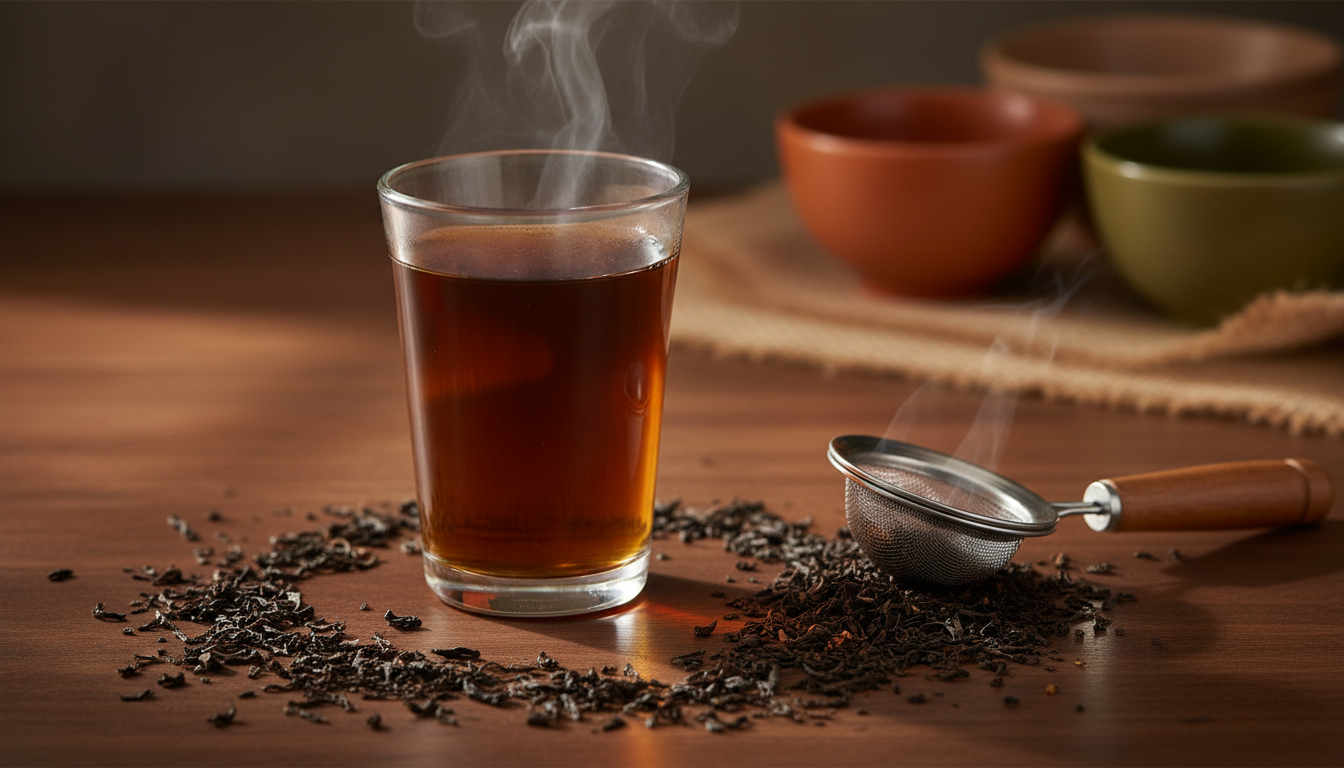

Black Tea: Types, Processing, and How to Brew It
Black tea is fully oxidized Camellia sinensis. Compare Assam, Darjeeling, Keemun, and Ceylon varieties. Learn processing, brewing, and caffeine levels.
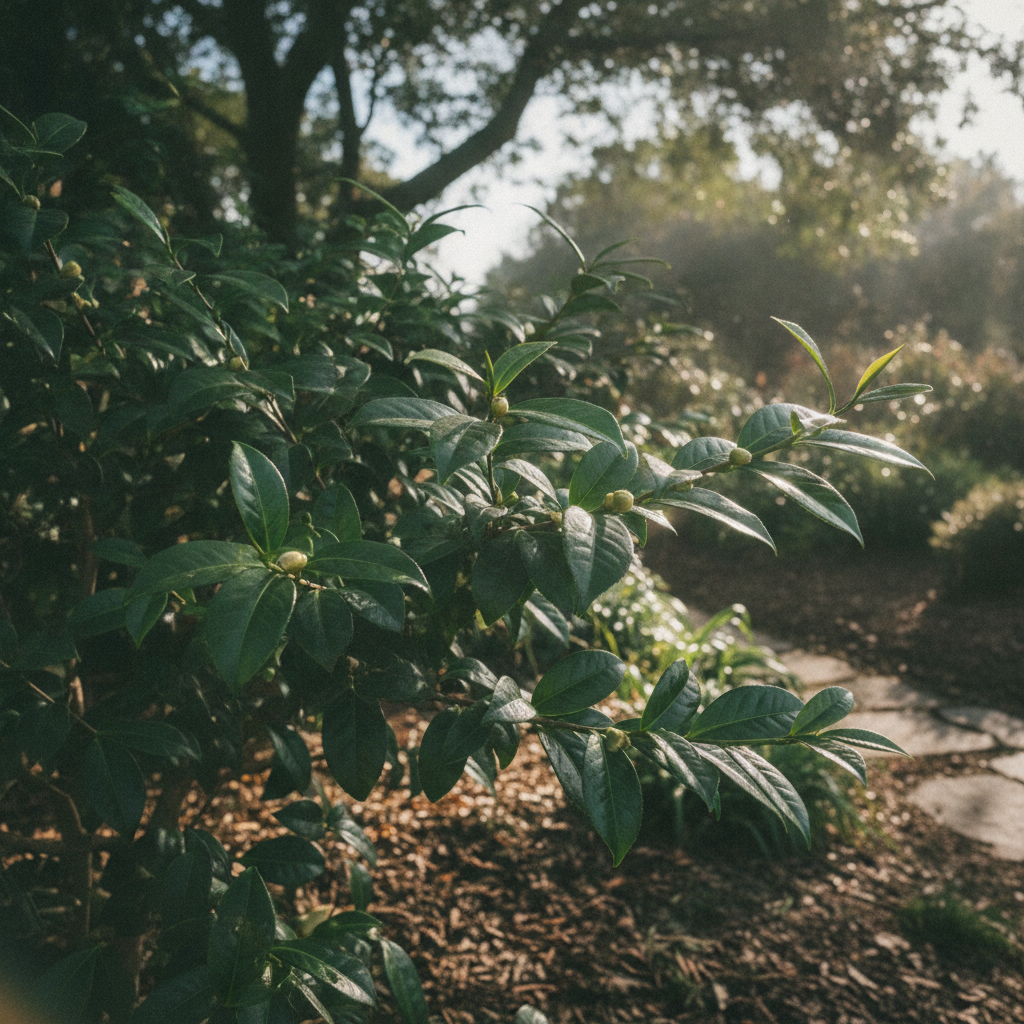

How To Grow Black Tea
Learn how to grow black tea at home: soil, climate, and the five processing steps from fresh leaf to a finished cup of black tea.

Wijsheid is de weg naar betere thee.
Ontvang onze gratis zetgids: het juiste water, de juiste temperatuur en de juiste trektijd voor elke thee die we verkopen. U hoort ook als eerste wanneer nieuwe oogsten binnenkomen.
Geen spam. U kunt zich altijd uitschrijven.
Kijk in uw inbox.
De gids is onderweg.